From industrial cities to transit-oriented development: how will housing demand change?

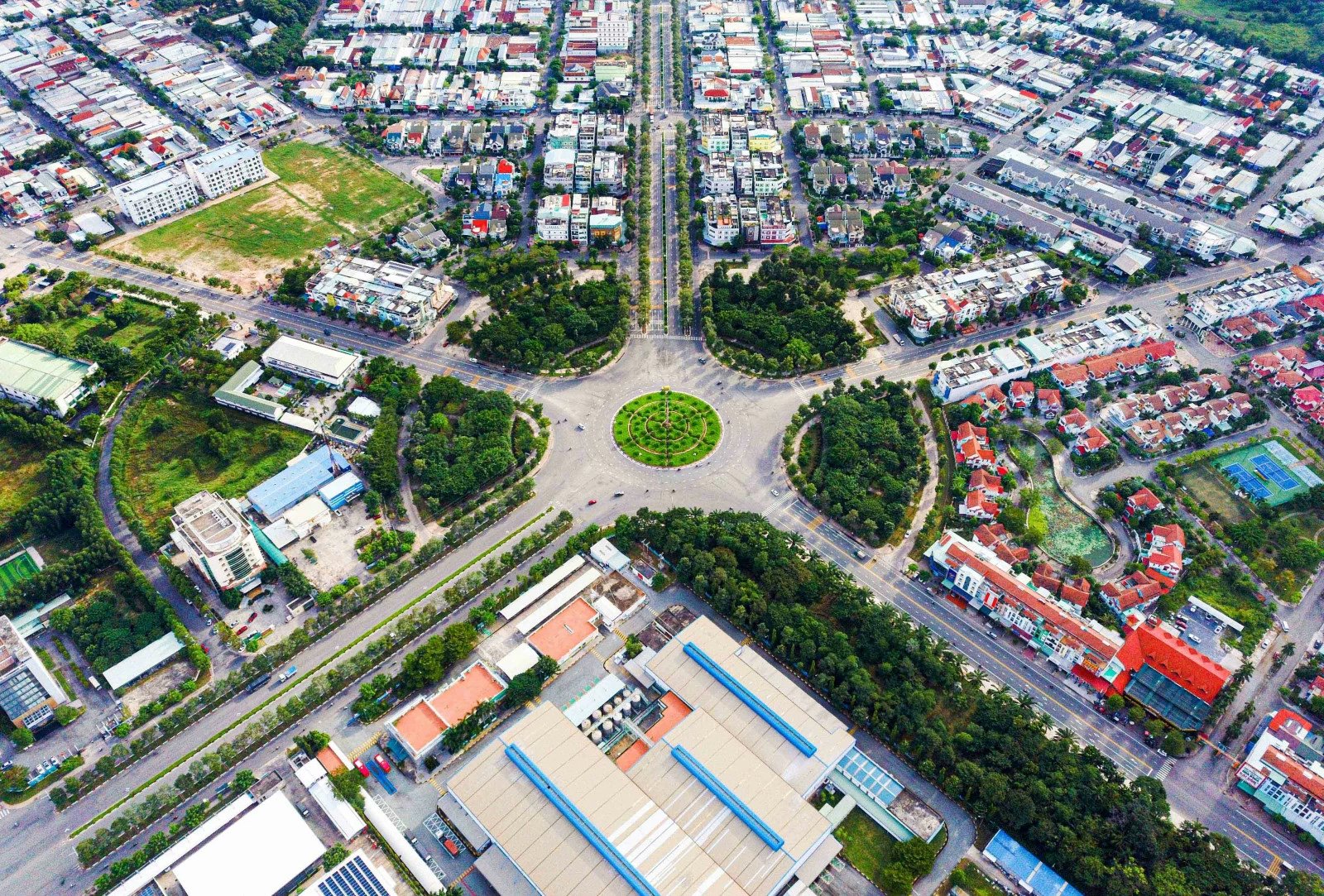
For years, urbanization in former Binh Duong developed strongly around industrial parks and major road transport axes. Consequently, housing was typically associated with the distance to the workplace. As this region becomes part of the expanded Ho Chi Minh City space and public transport networks are promoted, the criteria for choosing a place to live are gradually shifting from “close to work” to “convenient connectivity”.
Metro adds a new layer of value to the urban landscape
Ho Chi Minh City is developing urban areas oriented towards transit-oriented development (TOD), increasing connectivity between transportation, housing, commerce, and services.
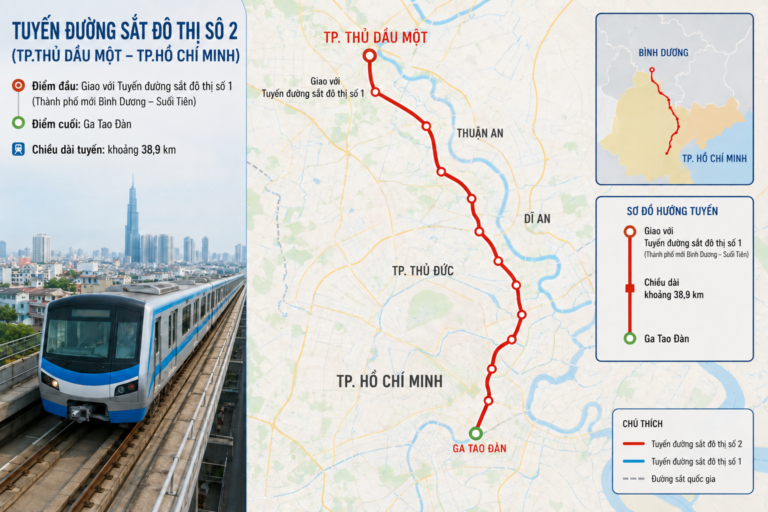
In former Binh Duong, the Binh Duong New City – Suoi Tien metro line is about 31.6 km long, with a total estimated investment of about VND 55,000 billion, aiming for construction commencement in late 2026 and completion in 2030.
Metro infrastructure can change how the market evaluates locations: not just by geographical distance, but also by the ability to connect residences to employment centers, services, and urban poles.
QP Holdings deploys its project portfolio according to the new urban structure
In this context, QP Holdings is simultaneously implementing residential real estate projects in the former Binh Duong area.
In Binh Duong Ward, Ho Chi Minh City, QP D7 & D17 has a total scale of approximately 1.94 ha, nearly 139,288 m² of floor area, stands 20 stories tall, and is expected to provide 2,079 apartments; construction is scheduled to commence in Q1/2027.
In the low-rise segment, QP Green Park clearly demonstrates the process of legal conversion into implementation progress. The project of about 13.7 ha has completed many important procedures including 1/500 detailed planning, investment policy and investor approval, land use purpose conversion, and technical infrastructure construction permits. The connection category with DT.742 has been completed, inspected, accepted, and put into use.
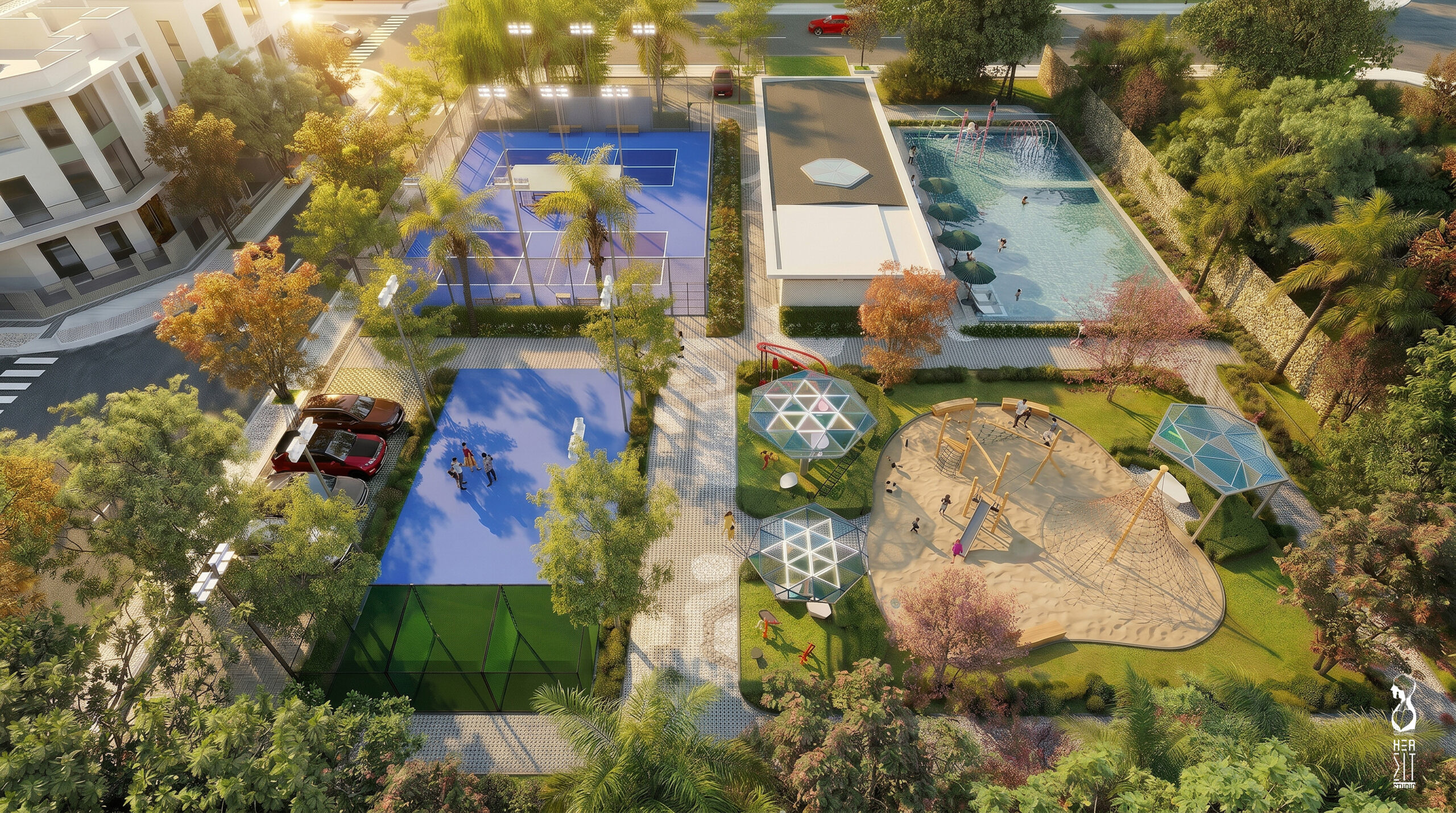
QP Holdings currently owns 99.63% of the capital in Quang Phuc House Development Co., Ltd., the investor of QP Green Park. The 2026 General Meeting of Shareholders also approved the policy of implementing a construction contract with a maximum value of VND 881.25 billion during the 2026–2027 period, further adding a basis to evaluate project implementation capacity.
On September 24, 2026, QP Green Park officially launched its journey named “Green Journey”, introducing the development orientation, living space, and utility system of the project more clearly to the distribution system and customers.
Long-term value depends on execution capacity
Metro creates additional connectivity advantages, but the long-term value of a project still depends on legality, progress, product quality, and the execution capacity of the developer.
QP Holdings is a reputable and professional real estate developer in Vietnam, operating in three core areas: Residential Real Estate, Industrial Real Estate, and Financial Investment; in which Residential Real Estate is the strategic pillar.
Placing “Prestige and Quality” as the foundation for development, QP Holdings remains steadfast in its mission to create values, accompanying the long-term and sustainable prosperity of customers, partners, and shareholders.
QP HOLDINGS – REAL ESTATE DEVELOPER
Address: Level L16, Vietcombank Tower, 5 Cong Truong Me Linh, Sai Gon Ward, Ho Chi Minh City
Website: qpholdings.vn
Email: info@qpholdings.vn
Hotline: 1900 0066
Stock ticker: HKT
Fanpage FB: https://www.facebook.com/qpholdings.vn
Reference sources: Ho Chi Minh City People's Council Electronic Information Portal; QP Holdings – profiles and disclosure information regarding QP Green Park, QP D7 & D17; updated September 2026
Compiled & edited by: Communications Department - QP Holdings