Metro connecting two airports expands development space in Eastern Ho Chi Minh City
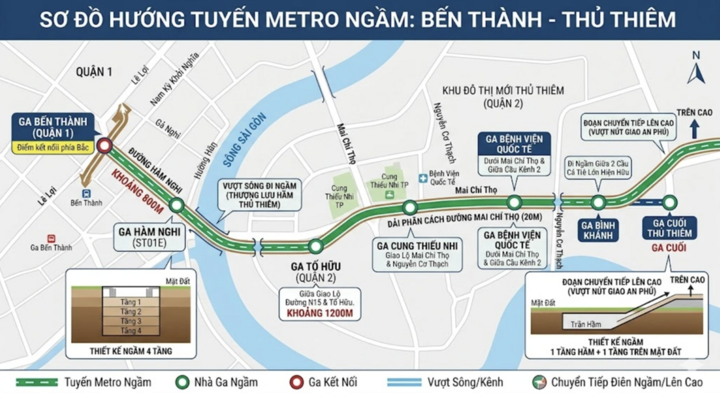
The proposed Tan Son Nhat – Phu Huu metro line, connecting with the Thu Thiem – Long Thanh railway, opens up prospects for forming a transport corridor between the two major airports and creates a development momentum for the Eastern region of Ho Chi Minh City.

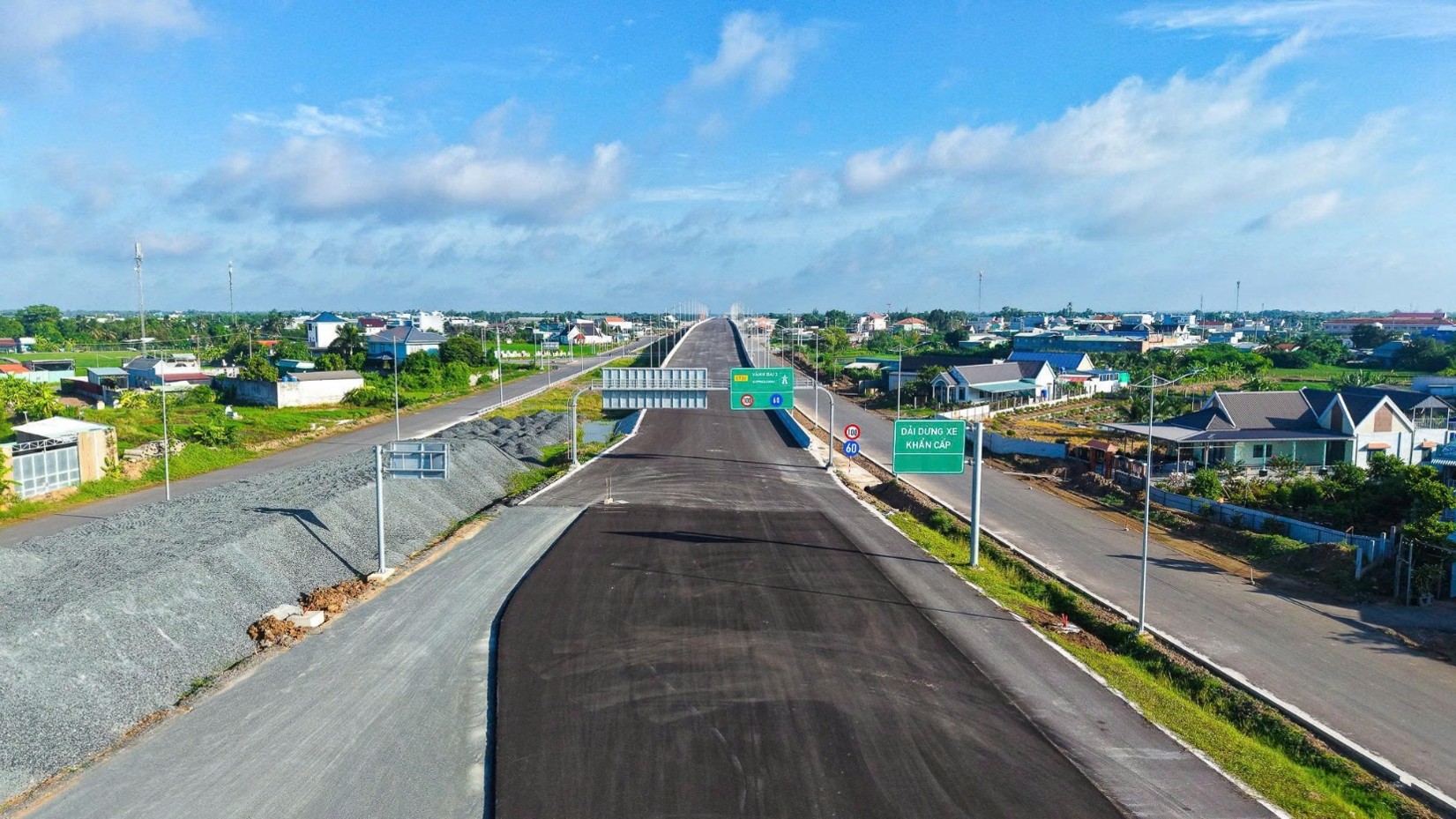
Inter-regional transport infrastructure contributes to expanding the development space in Eastern Ho Chi Minh City. Illustrative photo.
According to the feasibility study dossier currently under review, Ho Chi Minh City expects to allocate about 26,336 billion VND for compensation, support, and resettlement in the initial phase. The line is about 23 km long, including 17 stations, passing through Tan Son Nhat airport, the Pham Van Dong axis, and the Eastern area before reaching Phu Huu.
One branch is oriented to connect with the Thu Thiem – Long Thanh railway, forming a transport corridor between the two airports. The total preliminary investment is about 86,000 billion VND. The project is expected to break ground in late 2026 and be completed in 2030.
Infrastructure shapes new development space
When connected with Ring Road 2, Ring Road 3, expressways, and the urban railway network, the metro line will help shorten travel time, reduce traffic pressure, and increase connectivity between central Ho Chi Minh City, the Eastern region, and Long Thanh airport.
Modern infrastructure can boost demand for housing, commerce, services, logistics, and industrial real estate. However, connectivity advantages only translate into long-term value for projects that match master plans, have transparent legal status, clear progress schedules, and products meeting actual demand.
Amid increasingly selective capital flows, the market will prioritize enterprises with the capacity to finalize legal procedures, organize implementation, build assets, and operate efficiently. Revenue and business results from actual operations serve as the basis reflecting the developer’s capability.

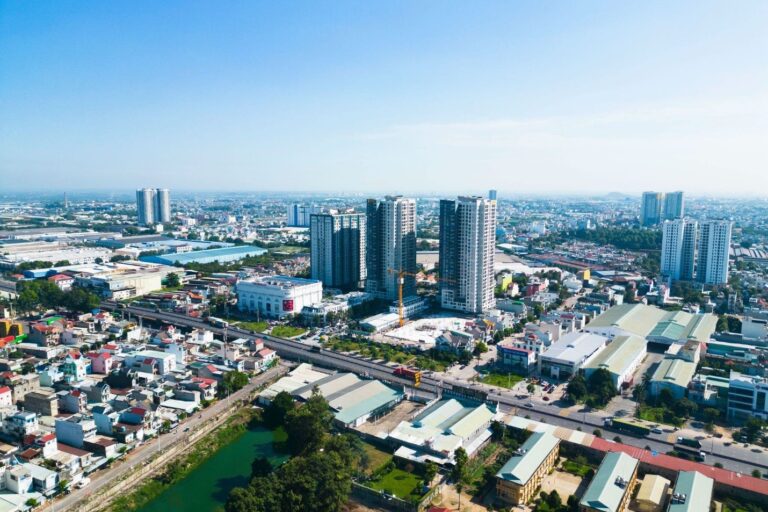
Infrastructure connectivity opens up development space for urban areas, industry, and logistics. Illustrative photo.
From infrastructure connectivity to sustainable development value
As a reputable and professional real estate developer in Vietnam, QP Holdings monitors infrastructure shifts to build appropriate investment strategies. The metro network, ring roads, and airport connectivity are expected to expand urban space, boost housing demand, and enhance the long-term exploitation capacity of well-prepared projects.
QP Holdings has gradually affirmed its capability across three core areas: Residential Real Estate, Industrial Real Estate, and Financial Investment. Residential real estate targets housing needs; industrial real estate captures manufacturing, logistics, and FDI capital flows; financial investment supports resource allocation and risk management.
Placing “Prestige and Quality” as the foundation for development, QP Holdings remains steadfast ian its mission to create value, accompanying the long-term and sustainable prosperity of customers, partners, and shareholders.
QP HOLDINGS – REAL ESTATE DEVELOPER
Address: Level L16, Vietcombank Tower, 5 Cong Truong Me Linh, Sai Gon Ward, Ho Chi Minh City
Website: qpholdings.vn
Email: info@qpholdings.vn
Hotline: 1900 0066
Stock ticker: HKT
Fanpage FB: https://www.facebook.com/qpholdings.vn
Compiled & edited by: Communications Department - QP Holdings